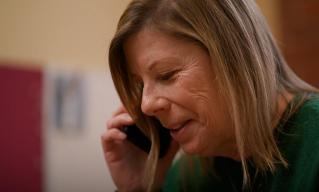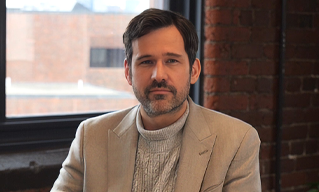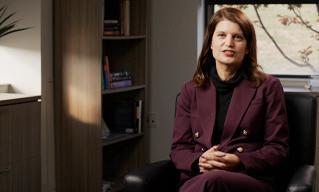
Rare disease moms. A Duchenne dad. Nurses who spent years caring for families in the community. These are just some of the perspectives that members of Sarepta's Patient Education Liaison team bring to their work every day.
In this video, they share how their personal and professional journeys have shaped their understanding of the challenges families face after a Duchenne diagnosis. Drawing on those experiences, they reflect on the importance of listening, building trust, and helping Duchenne families feel more informed and prepared for conversations with their healthcare team.
Watch the video. Read the transcript below.
Transcript
Jeanette: I'm a rare disease mom.
Nikki: I'm a rare disease mom.
Jessica: I'm a rare disease mom.
Dawn: I am an RN.
Nikki: I'm a registered nurse.
Caroline: I'm a mom to a kiddo with some complex medical conditions.
Kris: I am a Duchenne dad, and I am a patient education liaison.
Nikki: Getting a rare diagnosis for your child, it is overwhelming, and the whole world keeps going while you're trying to breathe.
Jessica: I think the scariest thing was just the unknown. It felt like everything came to a standstill and everything seemed so uncertain.
Nikki: The first week after he was diagnosed, I was sitting with stacks of studies and peer-reviewed articles, and I said, "I just want to talk to another parent who can tell me what's next."
Caroline: Once I was able to get a connection, find out what those resources were, I felt a little bit more supported.
Kris: I can't describe how comforting that is to not be alone and being able to have resources and people that I can talk to.
Dawn: As a patient education liaison, my role is to educate, but it's more than that. It's building a trusting connection with families.
Jessica: I don't think people learn from someone that they don't trust and they don't connect with. So I need to start by making sure that they feel seen, that they know that I care about them before I bring in any information.
Jeanette: When talking to a family, you've got to first listen to where they're at in their journey, and together with that family, prioritize what their needs are.
Caroline: As a nurse, I have the clinical knowledge, the background, but it's my personal experiences that really gave me the empathy.
Kieva: I describe myself as a supporter, an educator to bridge patients to where they need to be and guide them on their journey.
Dawn: I take that complex scientific information and just break it down into easy-to-understand parts, and then I don't move on to the next part until I'm sure that they understand the part we just talked about.
Jeanette: It's really difficult when you first get a diagnosis to fully understand everything, and so my role is to speak with families so that they feel empowered to then go and talk with their clinicians.
Kris: My big overarching message to these families is you're not in this journey by yourself anymore. We're here to help.
Kieva: And we want to be like a life preserver. Like, "We see what you're doing, but come and listen to me. Perhaps we can give you a little bit more support so you don't have to tread water by yourself."
Caroline: We are arming you with those tools so you feel supported, so you feel educated, so you feel heard, so then you're going to your appointments and making the decisions that are best for your kid.
Stay Connected
Visit Duchenne.com, an educational site for the Duchenne community, to learn more about living with Duchenne and treatment approaches. You also can sign up to receive Duchenne information and resources.
Related Articles
-
-
Advocates & Innovators
Leading with science, grounded in patient impact: Meet James Richardson, M.D.
-
Advocates & Innovators
Roots of innovation: From science fairs to the leading edge of precision genetic medicine