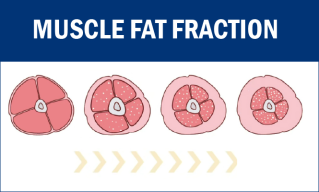


Duchenne muscular dystrophy is caused by a genetic mutation that prevents the body from making dystrophin, a protein that helps protect and stabilize muscle cells. Without dystrophin, muscle fibers are easily damaged. Duchenne is a relentless, progressive condition, and the damage builds over years, affecting muscles throughout the body, including those in the arms, legs, lungs and, eventually, the heart.
Advances in science have led to therapies that address the root cause of Duchenne and aim to restore dystrophin. Because every moment counts for people living with Duchenne, we spoke with Dr. Nicole LaMarca, DNP, MSN, CPNP, executive director of Patient Affairs at Sarepta, about the importance of restoring dystrophin as early as possible. Nicole is a pediatric nurse practitioner with over a decade of experience treating those impacted by Duchenne muscular dystrophy and other rare disease. She shares why dystrophin restoration is considered the foundation of care.
Q: Why is dystrophin so important for the body?
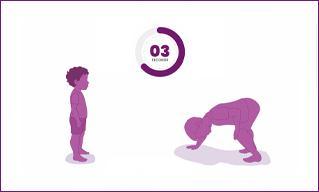
Nicole: Dystrophin helps cells maintain their structure and absorb stress during everyday use. When it’s missing, muscle fibers are more fragile and easily damaged, leading to progressive muscle weakness, and difficulty walking, climbing stairs, raising things with the arms and, eventually, breathing.
Q: How do treatments that restore dystrophin help in Duchenne?
Nicole: Treatments that aim to restore dystrophin are designed to address the root cause of Duchenne. These therapies aim to help the body produce a form of dystrophin that supports muscle structure and function, rather than only managing symptoms after damage has occurred. Because Duchenne is progressive throughout a patient’s life, with changes starting in utero, this structural support is important for slowing the ongoing muscle damage that will worsen over time.
Q: Why is restoring dystrophin often considered a first step in Duchenne care?
Nicole: Duchenne causes continuous muscle damage, so protecting muscle as early as possible is critical. Restoring dystrophin is considered foundational because it targets what’s driving that damage. While supportive treatments – such as treatments for inflammation, heart health or breathing – help manage symptoms from the disease, only dystrophin restoration targets the underlying cause of muscle weakness. Starting early may help maintain muscle function and create a stronger base for other treatments to build upon.
Q: How can families think about dystrophin restoration alongside other treatments?
Nicole: Think of muscle like a house you want to protect. Some treatments strengthen the actual foundation, while others add support beams and protective features. Together, they help the house stay strong as long as possible. But dystrophin is the foundation everything else depends on.
If you have questions about dystrophin-restoration therapies, talk to your healthcare provider or email our Patient Affairs team at [email protected].