

Common Questions About Gene Therapy
Gene therapies aim to treat disease at its root cause and, in some cases, may be used as a one‑time treatment. As families explore treatment options, it’s natural to have questions—how gene therapy works, how safety is monitored over time, and where and how treatment is given.
In our Gene Therapy FAQ (GT‑FAQ) video series, Sarepta colleagues—including researchers and team members who work closely with patients and families—answer common gene therapy questions in clear, easy‑to‑understand language. Watch the videos below to learn how gene therapy works and what families may want to understand when considering this treatment approach.
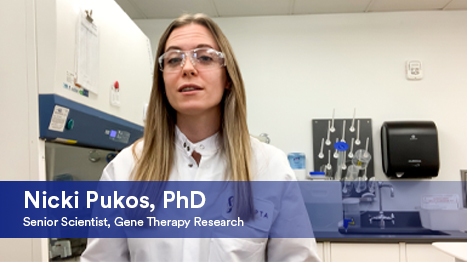
GT-FAQ: What is gene therapy?
In this video, Nicki, a scientist at our Genetic Therapies Center of Excellence, explains how gene therapy is intended to work by delivering a new, working copy of a gene so the body can make the protein it needs.

GT-FAQ: How is gene therapy safety evaluated?
Karen, a veteran pediatric nurse and member of our Duchenne Nurse Educators team, explains the testing, monitoring and review that happen before – and even after – a gene therapy is approved by the U.S. FDA.
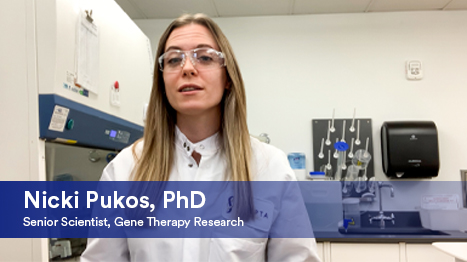
GT-FAQ: Does gene therapy change a person's genes?
Nicki, a scientist at our Genetic Therapies Center of Excellence, explains how gene therapy works without changing a person's DNA.

GT-FAQ: Why are steroids used with gene therapy?
John, an experienced nurse on our Duchenne Nurse Educators team, explains how steroids help lower the immune response to gene therapy and why steroid dosing can vary person to person.

GT-FAQ: Where can I get gene therapy?
Kara, an experienced pediatric neuromuscular nurse practitioner, explains why treatment happens at specialized centers and how your doctor can help connect you.